2026 Top Robotic Automation Solutions for Global Buyers?
The future of business lies in efficiency, and robotic automation solutions are at the forefront of this revolution. As global markets evolve, companies are increasingly turning to cutting-edge technologies. By implementing robotic systems, businesses can streamline operations and enhance productivity. This has become crucial in a competitive landscape.
Many industries are adopting these solutions, but challenges still exist. Selecting the right technology can be daunting. Different solutions may not suit every organization’s unique needs. Companies must weigh their options carefully. Despite the potential benefits, implementation failures can occur. Thorough research and expert guidance are essential in these scenarios.
In 2026, global buyers will face an expanding array of robotic automation solutions. This demand will likely lead to innovation and diversity in offerings. However, it will also require buyers to stay informed. Understanding the capabilities and limitations of these technologies is key to success. Buyers must not only seek the latest trends but also assess long-term value in their investments.

Overview of Robotic Automation Solutions Available in 2026
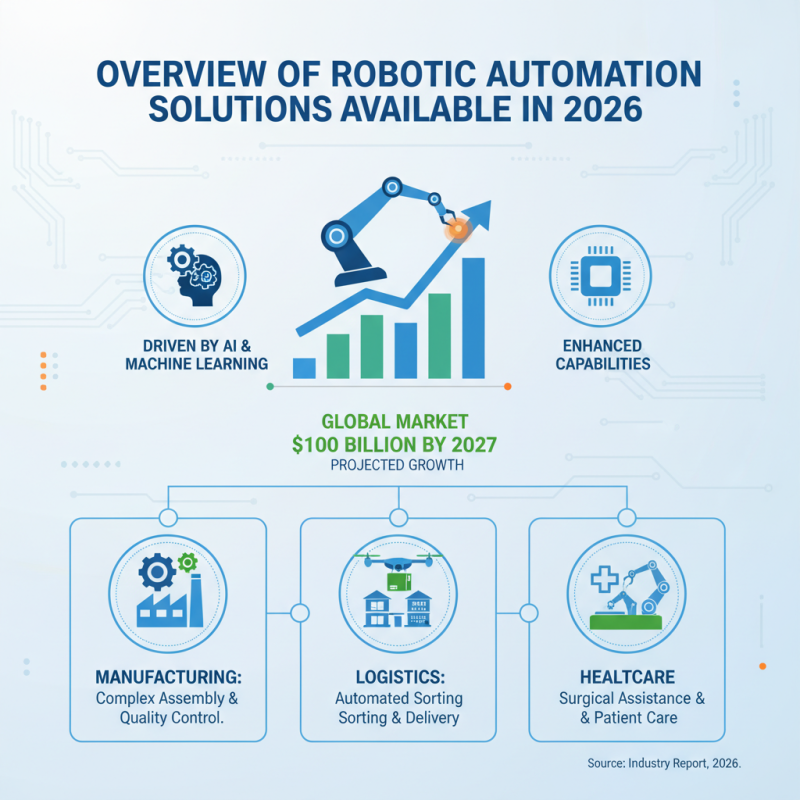
In 2026, the landscape of robotic automation solutions is more diverse than ever. According to a recent industry report, the global robotic automation market is projected to reach $100 billion by 2027. This growth is driven by advancements in artificial intelligence and machine learning. These technologies enhance the capabilities of robots, allowing them to perform complex tasks in manufacturing, logistics, and healthcare.
Emerging robotic solutions include collaborative robots, or cobots, which work alongside human operators. These systems improve efficiency and workplace safety. The rise of robotic process automation (RPA) is also noteworthy, with a projected CAGR of 25% over the next five years. However, companies must remain cautious. Implementing automation solutions can lead to job displacement if not managed effectively. Integrating robots into existing processes requires careful planning and training. With the right approach, organizations can harness the benefits while mitigating potential downsides.
Moreover, the interoperability of these automation systems is crucial. Many solutions need to integrate with legacy systems. This presents challenges that require innovative strategies. As industries adapt to these technologies, ongoing discussions about ethical implications are essential. Stakeholders must adequately address the impact of automation on the workforce. Establishing a balance between technological advancement and human resource management will determine the success of robotic automation initiatives.
Key Features and Technologies Driving Robotic Automation Development
The landscape of robotic automation is evolving rapidly. Key technologies drive this development, creating vast opportunities. Machine learning stands out as a significant contributor. It enables robots to learn from data and adapt over time. This means they can improve efficiency and effectiveness in various tasks.
Another vital feature is the integration of artificial intelligence. AI enhances decision-making processes and allows robots to interact more naturally with humans. This technology fosters collaboration between machines and human workers. However, implementing these technologies can be challenging. Integration issues may arise, requiring organizations to align their systems effectively.
Safety remains a concern as automation becomes more prevalent. While robots can significantly reduce risks in some environments, they can also introduce new hazards. Developing reliable safety protocols is essential for successful automation. Continuous training and adaptation to new technologies are necessary for workers and machines alike. As the market grows, so does the need for ongoing reflection on these advancements.
2026 Top Robotic Automation Solutions for Global Buyers
| Solution Type |
Key Features |
Technologies Used |
Market Application |
Expected Growth (2026) |
| Robotic Process Automation |
High efficiency, scalability |
AI, Machine Learning |
Financial Services |
25% CAGR |
| Industrial Robotics |
Precision control, speed |
IoT, Sensors |
Manufacturing |
20% CAGR |
| Service Robotics |
User-friendly, adaptability |
AI, Computer Vision |
Healthcare |
30% CAGR |
| Autonomous Mobile Robots |
Navigation, flexibility |
SLAM, LIDAR |
Warehousing |
28% CAGR |
| Collaborative Robots |
Safety, ease of use |
AI, Force Sensors |
Assembly Lines |
35% CAGR |
Top Industries Adopting Robotic Automation Solutions Globally
Robotic automation is gaining traction across various industries. Manufacturing leads the way, leveraging advanced robots for precision. With the push for efficiency, factories are adopting automation to reduce downtime. These robots handle repetitive tasks, allowing human workers to focus on complex issues.
In healthcare, robotic solutions are transforming patient care. Surgical robots assist doctors in performing delicate procedures with accuracy. However, the integration requires training staff effectively. It's essential to address the learning curve associated with these technologies.
Tips: Consider process adaptability when choosing robotic solutions. Ensure that your current systems can integrate smoothly with new technologies. This minimizes disruption and maximizes efficiency. Don't overlook the importance of ongoing training. A well-prepared team yields better results and enhances productivity.
Retail is another sector exploring automation. Robots manage inventory, facilitating real-time stock tracking. This not only boosts efficiency but also improves customer satisfaction. However, there are challenges. Many retailers struggle with operational complexities in adopting robotic systems. It's crucial to assess each unique environment carefully.
Leading Companies in the Robotic Automation Market
The robotic automation market is rapidly evolving. Companies are exploring advanced solutions to enhance efficiency. Innovations in robotics are changing how businesses operate across various sectors. From manufacturing to logistics, automation is reshaping the workforce. Leading companies are integrating AI with robotics to improve productivity. This combination is not just about speed but precision too.
Many businesses are still grappling with implementation challenges. Integrating robotic solutions requires a deep understanding of existing workflows. Data security is another concern as automation increases reliance on digital systems. Firms must reassess their strategies regularly. The market is competitive, and staying updated is crucial for success.
Customer education plays a vital role in adoption. Companies need to invest not only in technology but also in training. Skilled personnel can maximize the benefits of automation solutions. As organizations embrace these technologies, they must remain flexible. Continuous improvement is key to staying ahead in this dynamic landscape.
Future Trends in Robotic Automation for Global Buyers
As we look ahead to 2026, robotic automation continues to evolve rapidly. Key trends indicate a shift towards increased integration of AI within robotic systems. This integration enables machines to learn from their environment, improving efficiency. Buyers seeking such solutions must consider the implications of these advancements.
Collaboration between robots and humans is another significant trend. Cobots, or collaborative robots, work alongside humans, enhancing productivity without replacing jobs. However, this raises concerns about workforce adaptability and the need for training. Global buyers need to reflect on these challenges to maximize potential benefits.
The focus on sustainable automation is gaining momentum. Robotics that optimize energy consumption are becoming more popular. Buyers must weigh the initial costs against long-term savings and environmental impact. This balancing act might not always yield immediate results, but it is essential for future-proofing investments.