What is an Automation Machine and How Does It Work?
In today's rapidly evolving industrial landscape, the role of the automation machine cannot be underestimated. Renowned industry expert Dr. Laura Jensen states, "Automation machines are revolutionizing productivity and accuracy across sectors." These advanced systems streamline operations, reducing the need for human intervention in repetitive tasks. They help businesses save time and minimize human error.
Automation machines integrate robotics, sensors, and artificial intelligence. This combination enables them to perform complex tasks efficiently. For instance, in manufacturing, these machines can assemble products at a speed unmatched by human workers. However, the adoption of automation machines also raises questions. Will they replace human jobs? How might they impact the workforce?
As industries embrace these technologies, understanding their functionality is crucial. Companies must consider both the benefits and challenges. Balancing automation and human labor is key. With ongoing advancements, it's essential to reflect on how automation machines reshape our work environments and societal structures.
Definition of Automation Machine and Its Purpose
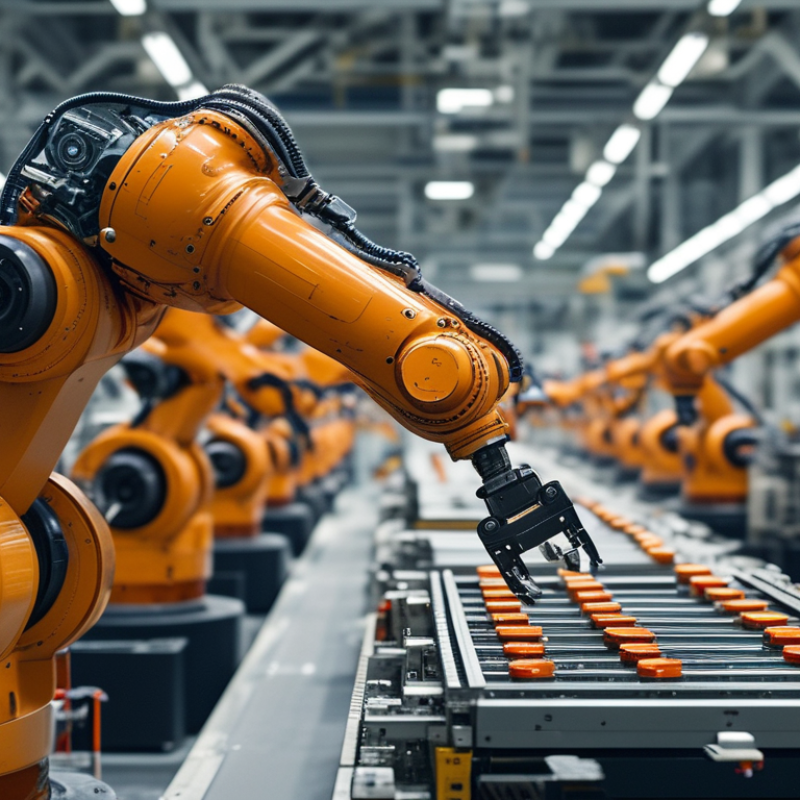
An automation machine is a device designed to perform tasks automatically with minimal human intervention. Its primary purpose is to increase efficiency and accuracy in various processes, whether in manufacturing, logistics, or even daily office tasks. These machines leverage advanced technologies like robotics and artificial intelligence, allowing them to execute repetitive tasks swiftly. For example, a simple assembly line robot can assemble products with a precision that humans struggle to achieve.
The need for automation machines stems from the desire to reduce errors and save time. In industries where production speed is crucial, these machines shine. However, reliance on automation also raises concerns. There is the risk of job displacement and a potential loss of craftsmanship. Instead of outright elimination, businesses must reflect on how they integrate these machines into their workforce. Balancing automation with human skills can foster innovation and create new job opportunities, rather than solely focusing on efficiency.
These machines also vary widely in complexity. Some may simply automate small tasks, while others control extensive production systems. This spectrum of capabilities requires careful consideration. Companies often need to analyze their existing workflows before implementing automation solutions. A thoughtful approach can lead to greater adaptability and long-term success.
Automation Machines: Adoption Rates by Industry (2020-2023)
This bar chart illustrates the adoption rates of automation machines across various industries from 2020 to 2023. It highlights the growing trend of automation in sectors such as manufacturing, healthcare, logistics, and agriculture.
Types of Automation Machines: An Overview
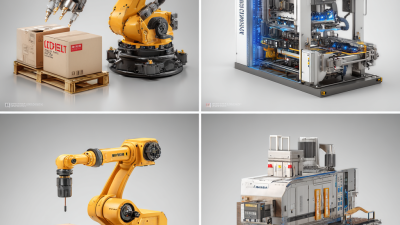
Automation machines are crucial in today’s industrial landscape. They are designed to perform tasks with minimal human intervention. Various types of automation machines exist, each serving specific functions. This diversity allows industries to choose machines tailored to their needs, enhancing productivity.
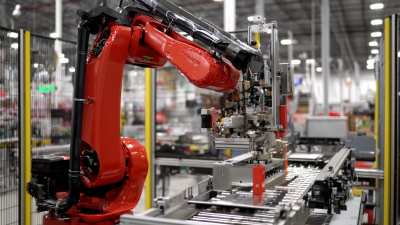
One common type is the robotic arm. This machine excels in repetitive tasks like assembling, welding, or painting. Its precision reduces errors, but it requires careful programming.
Another type is the conveyor system, which streamlines material handling. It facilitates the smooth flow of items but can struggle with complex layouts. Continuous maintenance is vital; a single malfunction could halt operations.
Another intriguing automation machine is the automated guided vehicle (AGV). AGVs transport materials across factories. They enhance efficiency significantly by reducing transport times. However, their reliance on programming can lead to challenges in dynamic environments. As industries embrace automation, understanding these machines’ strengths and limitations is essential for successful implementation.
How Automation Machines Operate: Key Components and Mechanisms
Automation machines are pivotal in modern industries, streamlining processes and enhancing productivity. These machines operate using several key components, such as sensors, actuators, and controllers. Sensors gather real-time data, ensuring machines respond to environmental changes. Actuators then take action based on sensor inputs, executing tasks with precision. According to a recent study by McKinsey, automation can boost productivity by up to 30%, underscoring its importance in various sectors.
The mechanisms that drive these machines include programmable logic controllers (PLCs) and software algorithms. PLCs manage tasks and ensure all components work in harmony. Software algorithms analyze data to optimize performance. A report by the International Federation of Robotics indicates that by 2025, the demand for industrial robots will increase by 30%, showcasing the growing reliance on automation.
However, there are challenges. Implementing automation can be complex, requiring significant upfront investment and skilled personnel. Some industries struggle with integrating old systems with new technologies. Reflecting on these aspects, it is clear that while automation machines offer substantial benefits, their implementation must be carefully managed to address potential pitfalls.
What is an Automation Machine and How Does It Work?
| Component |
Description |
Function |
Common Applications |
| Sensors |
Devices that detect changes in the environment. |
Collect data for monitoring and control. |
Temperature control, pressure monitoring. |
| Actuators |
Mechanisms that convert electrical signals into physical movement. |
Perform physical tasks based on commands. |
Robotics, conveyor systems. |
| Controllers |
Devices that manage and direct the operations of automation machines. |
Process inputs from sensors and send outputs to actuators. |
Manufacturing, HVAC systems. |
| User Interfaces |
Screens and control panels for operators to interact with the machine. |
Allow monitoring and adjustment of automation processes. |
Smart homes, industrial controls. |
| Network Components |
Devices that enable communication between machines and systems. |
Facilitate data exchange for coordinated operations. |
IoT applications, distributed systems. |
Applications of Automation Machines in Various Industries
Automation machines have transformed various industries through their ability to enhance efficiency and reduce human error. In manufacturing, these machines streamline processes by performing repetitive tasks with precision. For instance, robotic arms assemble products on assembly lines. They work quickly and consistently, often outpacing human workers. However, reliance on automation raises questions about job displacement. Some workers may find their roles diminished or obsolete.
In agriculture, automation machines like drones and automated tractors have revolutionized crop management. Drones can survey vast fields, collecting data on soil health and moisture levels. Automated tractors plant and harvest crops with minimal human intervention. This shift offers incredible efficiency, but it also creates a dependency on technology that farmers must navigate. Ensuring proper maintenance and having backup plans in case of system failures is crucial.
The service sector also benefits from automation machines. Self-service kiosks in retail and fast-food restaurants speed up customer transactions. Yet, they may alienate customers who prefer human interaction. Balancing automation and personal service remains a challenge. As industries continue to adopt these machines, evaluating their impacts on both productivity and human connection is essential.
Benefits and Challenges of Implementing Automation Machines
The implementation of automation machines offers numerous benefits, but it also presents significant challenges. A recent report from McKinsey indicates that automation can improve productivity by up to 30% in various sectors. Industries utilize these machines to streamline operations and reduce labor costs. They replace repetitive tasks, allowing human workers to focus on more strategic activities. This can enhance job satisfaction and foster innovation within a company.
However, the shift to automation is not without obstacles. One primary concern is workforce displacement. According to a study by the World Economic Forum, approximately 85 million jobs may be displaced by 2025 due to automation. Companies must consider retraining programs to help employees transition to new roles. Additionally, the initial cost of implementing automation technology can be high. Organizations often face difficulties in justifying these costs in the early stages, especially if immediate returns are not apparent.
Addressing these challenges requires careful planning and sustained investment in human capital.