
Global buyers need more than a familiar product label when choosing a 10g Lr Sfp module. A reliable selection must match distance, fiber type, switch coding, connector design, and operating temperature. Most 10GBASE-LR modules use 1310 nm optics over single-mode fiber. Their typical reach is 10 kilometers. That number sounds simple. It is not.
Gary Nicholl, a recognized Ethernet standards expert, offers a useful purchasing principle: “Interoperability begins with standards, but ends with testing.” His observation reflects real deployment experience. A module may meet the 10GBASE-LR specification yet perform poorly with a particular switch. Firmware restrictions, digital diagnostics, optical power, and receiver sensitivity can change the result. Buyers should verify vendor compatibility before ordering large quantities. Small tests prevent expensive surprises.
This guide reviews ten 10g Lr Sfp modules for international purchasing teams. It considers optical performance, coding options, DOM support, warranty terms, supply stability, and documented compliance. It also examines practical details, such as duplex LC connections and typical 0°C to 70°C commercial temperature ranges. Industrial environments may require broader specifications. Not every product page explains this clearly.
The ranking is useful, but it is not absolute. Prices, availability, and firmware behavior can change. A lower-cost module may deliver excellent results in one network and fail acceptance testing in another. That uncomfortable possibility deserves attention. Buyers should compare datasheets, request test evidence, and confirm return policies. Real experience matters more than a polished listing. This introduction sets the standard for a careful, evidence-based comparison of the best 10g Lr Sfp options available to global buyers.
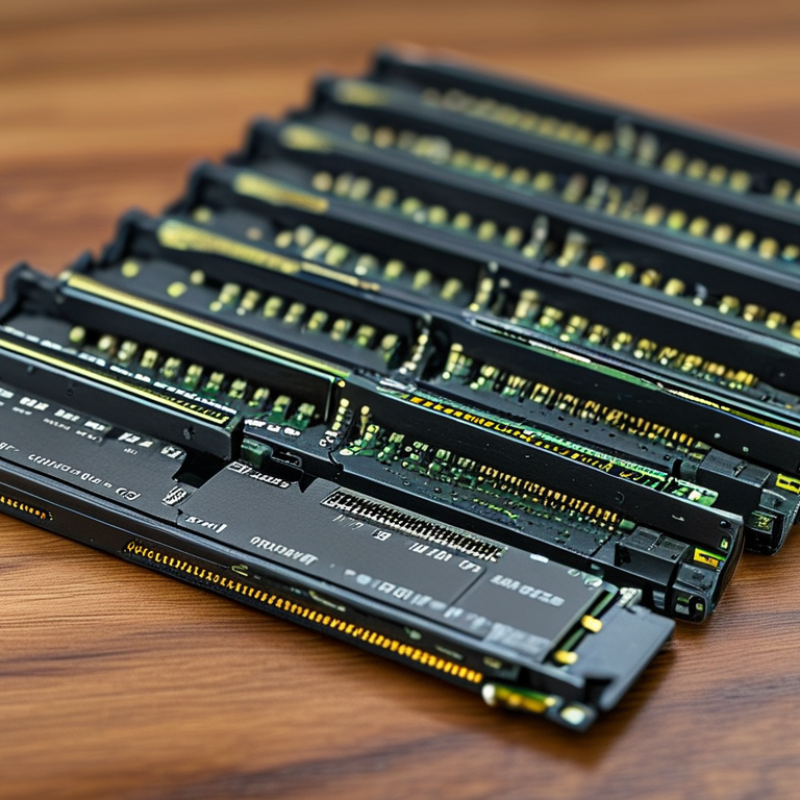
10G LR SFP modules are compact optical transceivers for 10GbE links over single-mode fiber. The “LR” designation means Long Reach, typically up to 10 kilometers at 1310 nanometers. IEEE 802.3ae defines 10GBASE-LR operation and a maximum channel insertion loss near 6.2 dB. The module converts electrical signals into laser light, then recovers them at the receiving end. Most units use duplex LC connectors and SFP+ cages. Simple in principle.
TeleGeography’s 2024 Global Internet Geography report recorded international bandwidth growth of about 29% in 2023, reaching approximately 1,405 Tbps. That expansion supports continued demand for stable, long-distance Ethernet links. ITU-T G.652.D fiber specifies attenuation up to 0.4 dB per kilometer around 1310 nanometers. Actual loss also includes connectors, splices, bends, and patch panels. Do not read “10 kilometers” as guaranteed. Clean end faces matter more than glossy specifications.
Before purchase, buyers should match wavelength, fiber type, connector, distance, and host coding. Digital diagnostics can report temperature, voltage, bias current, and optical power. However, monitoring thresholds vary between modules. A common mistake is checking only nominal distance. Engineers often reserve 2–3 dB for aging, repairs, and unexpected loss. The number is not the whole story. A module may pass a bench test yet struggle in a hot cabinet or crowded patch panel. Conservative optical-budget calculations remain the safer choice.
Global buyers need more than a “10G” label. The ITU Facts and Figures 2024 report counted about 5.5 billion internet users worldwide. That equals roughly 68% of the global population. Growing traffic makes reach and interoperability practical purchasing issues.
IEEE 802.3-2022 defines 10GBASE-LR for 10 Gb/s operation over up to 10 kilometers of single-mode fiber. The usual optical window is 1,310 nm.
Check the basics.
Compare transmit power, receiver sensitivity, extinction ratio, wavelength tolerance, and maximum reach. A compliant module commonly uses duplex LC connectors with OS2 fiber. Site verification remains necessary.
SFF-8472 supports digital diagnostics, including temperature, voltage, bias current, and optical power.
These readings help technicians identify dirty connectors or rising laser bias before an outage. They are not laboratory proof. Host firmware support may also vary.
TeleGeography’s 2024 Global Bandwidth Research Service reported continued growth in international bandwidth demand. That trend increases the value of documented link budgets. However, datasheets sometimes omit aging, dispersion, and host compatibility details.
Request test reports, calibration dates, DOM accuracy, and warranty terms. I would not choose the lowest optical budget without checking fiber loss, splice count, and patch-panel length.
My comparison can still be imperfect. Headline reach is easy to compare; real cable plants are not.
The International Telecommunication Union reported about 5.4 billion people online in 2023. That growth increases pressure on metropolitan, campus, and data-center networks. For long links, 10G LR SFP modules remain a practical choice. They typically use 1310 nm optics and support distances up to 10 kilometers over single-mode fiber.
The right module should match the entire route. Check the host switch, fiber type, connector, operating temperature, and digital diagnostic monitoring. IEEE 802.3ae defines the 10GBASE-LR interface, but real deployments still require careful interoperability testing. A module may meet the standard yet perform poorly with dirty connectors or excessive optical loss. Small details matter.
TeleGeography’s 2024 Global Internet Geography report shows continuing expansion in international bandwidth capacity. Meanwhile, the ITU’s Facts and Figures 2023 highlights the scale of global connectivity demand. These trends support dependable 10G links between buildings, regional hubs, and carrier facilities. For global buyers, choose modules with documented transmit power, receiver sensitivity, and operating limits. Independent test records are more useful than vague compatibility claims. Firmware behavior can also differ. I have seen stable links fail after a switch update, so validation before shipment is wise. Cost remains important, but the cheapest optic can create expensive troubleshooting later.
Choosing a 10G LR SFP module requires more than checking its price or transmission distance. Compatibility comes first. Verify that the switch, router, or server accepts 10G SFP+ optics and supports the module’s coding. Some devices reject third-party modules, while others require manual configuration. Check the operating temperature, digital monitoring support, and firmware requirements before installation.
10G LR usually operates at 1310 nm over duplex single-mode fiber. A standard link can reach about 10 kilometers, but real performance depends on connectors, splices, and the optical budget. Use matching fiber pairs with correct polarity. Clean every LC connector with approved tools. Tiny dust particles can create serious loss. Keep the cable within its specified bend radius, especially inside crowded cabinets.
Field checks should include power levels, link stability, and error counters. A module may pass a short bench test and fail across a longer route. That detail is easy to miss. Review both transmitter and receiver specifications, not just the advertised distance. I have also seen installation teams overlook patch-panel losses. A simple end-to-end light test can expose that weakness early. When comparing the ten strongest options, document host compatibility, fiber type, warranty terms, monitoring features, and tested reach instead of trusting a single product label.
For global buyers, the best 10G LR SFP modules must balance price, standards, warranty, and deployment risk. IEEE 802.3ae defines 10GBASE-LR for single-mode fiber, 1310 nm transmission, and distances up to 10 km. A compliant module should also follow the SFP MSA and support SFF-8472 diagnostics, including temperature, voltage, and optical-power monitoring. These details matter in a warm rack where a small temperature rise can signal future failure.
Market data gives useful context. Grand View Research valued the global optical transceiver market at about USD 10.3 billion in 2023, with continued growth expected through 2030. However, LR module pricing varies sharply by coding, testing, and support. In practical purchasing, a USD 20 module may suit a controlled lab, while USD 40–80 units often include stronger testing records, traceability, and longer warranties. Prices can change with currency, duties, and regional inventory.
Check whether the module is coded for your switch before ordering. “Universal” compatibility is not always universal. A three-year replacement warranty is preferable, but read the exclusions and return window carefully. Ask for an eye-pattern test report or serial-number traceability when buying in volume. Standards do not guarantee perfect interoperability. I have seen compliant modules fail after mixed-fiber installations, partly because buyers ignored connector cleanliness and optical loss budgets. That remains an uncomfortable purchasing lesson.
