
China remains a major sourcing destination for Stainless Steel Round Tube used in construction, process equipment, furniture, and precision fabrication. Its supplier base includes large integrated mills, specialized tube manufacturers, and export-focused trading companies. However, supplier names alone reveal very little. Product consistency, traceability, finishing quality, and communication often determine whether a shipment succeeds.
This guide examines ten notable Chinese suppliers through practical purchasing criteria. These include stainless steel grades, outside diameter tolerance, wall thickness, surface finish, welding quality, testing capacity, and production scale. Relevant certifications, inspection reports, sample policies, and export experience also deserve careful review. A polished website is not proof of reliable manufacturing. Ask for mill test certificates, dimensional records, packaging photographs, and recent project references before placing a significant order.
Some suppliers may excel at standard 304 and 316L tubes, while others handle sanitary, decorative, or precision requirements more effectively. Lead times can change when raw material prices rise. Small details matter, such as plastic caps, moisture protection, bundle labels, and loading methods. No ranking is perfect. Supplier performance may vary by product line, season, and order size. Buyers should therefore treat this list as a starting point, not a final purchasing decision. Direct factory communication, third-party inspection, and a clearly written specification can reduce misunderstandings. The strongest supplier is not always the largest one; it is the partner that consistently delivers the required tube, documentation, and service.
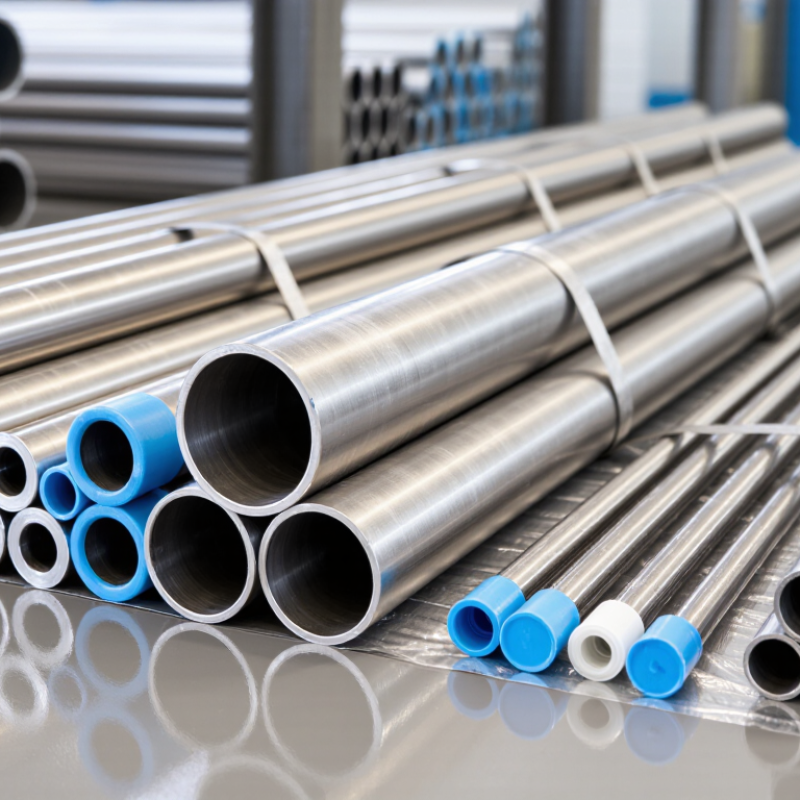
China’s scale makes supplier selection attractive, but volume alone proves little. The World Stainless Association reported global crude stainless steel production of about 62.2 million tonnes in 2024. This large market supports competitive pricing, yet it also creates uneven quality among exporters. Evaluate the factory, not only the trading company. Ask for production-line photographs, equipment lists, export history, and a recent third-party audit.
Technical verification should begin with the tube specification. Confirm the grade, outside diameter, wall thickness, length, surface finish, and applicable standard, such as ASTM A269 or ASTM A554. Request heat numbers that connect each bundle to the mill certificate. A certificate should show chemical composition, mechanical results, heat treatment, and inspection status. For critical applications, independent PMI testing and hydrostatic or eddy-current testing are sensible. Small details matter.
Check tolerance control with actual samples. Measure several points around the tube, not one convenient location. Review surface defects under bright light, especially scratches near weld zones. ISO 9001 certification can indicate process discipline, but it does not guarantee every shipment. That is an uncomfortable limitation. I would also compare rejected-batch procedures, packaging photos, and response times before signing a contract. The OECD’s due diligence guidance supports risk-based supplier checks, although many buyers apply them too late. A written inspection plan, pre-shipment inspection, and retained samples provide stronger evidence than polished marketing claims.
China’s Top 10 Stainless Steel Round Tube Suppliers
China’s Top 10 Stainless Steel Round Tube Suppliers should be assessed through evidence, not search visibility. In practical sourcing, strong candidates show reliable traceability, consistent diameter, and clean welds. The International Stainless Steel Forum reported global crude stainless steel production of about 58.4 million tonnes in 2023. China contributed roughly 36.7 million tonnes, confirming its major manufacturing capacity. Scale helps, but it does not guarantee tube quality.
A useful Top 10 shortlist should compare grade certificates, heat numbers, wall-thickness tolerance, surface finish, and monthly output. Request inspection records aligned with ASTM, EN, or GB requirements. Independent checks should verify alloy chemistry, tensile strength, corrosion resistance, and dimensions. UN Comtrade export data can support supplier research, although trade value alone may mislead. Some suppliers look impressive online. Their production evidence may be thin. That deserves scrutiny.
Tips: Request recent samples from the same production line. Measure three points around each tube, not one. Confirm packaging for humid sea transport. Check whether certificates match the shipped heat number. Allow a small pilot order before committing. I would also record rejected pieces and their causes. This habit exposes recurring defects. Rankings change quickly.
When assessing China’s top stainless steel round tube suppliers, product range should lead the review. World Stainless reported global crude stainless steel production at 58.4 million tonnes in 2023. China contributed roughly 62% of that volume, creating broad capacity but uneven consistency. A serious supplier should offer seamless and welded tubes, polished, brushed, annealed, and pickled finishes. Common materials include 304, 304L, 316, 316L, 321, and duplex grades. Each grade should match the service environment, not merely the buyer’s budget.
Manufacturing capability matters more than a long catalogue. Check tube diameters, wall-thickness tolerances, cutting accuracy, and heat-treatment control. ASTM A312 supports process piping applications, while ASTM A269 suits general corrosion-resistant tubing. EN 10217-7 may be relevant for welded stainless tubes in pressure service. ISO 9001 certification helps, but it cannot replace mill certificates, PMI testing, tensile results, and hydrostatic inspection. Small details matter.
In sourcing reviews, I would request recent samples before ranking any supplier. A bright surface can hide poor weld penetration. That mistake is easy to make. Verify whether polishing is mechanical or electrolytic, and ask for roughness values. The World Stainless market outlook also shows demand remains tied to construction, food equipment, energy, and transport. Suppliers serving these sectors should explain forming, welding, laser cutting, and export packaging clearly. Some catalogues promise too much; independent inspection remains worth considering.
China remains a major stainless steel producer. The World Stainless Association reported about 36.7 million metric tonnes of Chinese crude stainless production in 2023. This scale creates many sourcing choices, but volume alone does not prove tube quality.
A reliable supplier should provide mill test certificates, heat numbers, chemical analysis, and mechanical results for every shipment. Buyers should check compliance with ASTM A269, ASTM A312, EN 10217, or the project’s required standard.
Surface finish matters too. A polished tube should show consistent reflection, without orange peel, deep scratches, or dark weld lines.
Certifications need careful review. ISO 9001 supports controlled production, while ISO 14001 indicates environmental management.
However, certificates must match the factory’s legal entity, product scope, and validity period. EN 10204 type 3.1 inspection documents offer stronger traceability than generic certificates. Ask for sample records before placing a deposit.
Small details reveal process maturity. Does the supplier record ovality and wall thickness? Can it explain solution annealing temperature and weld inspection methods?
Export experience should be measured with evidence, not promises. Request redacted bills of lading, packing photographs, and destination-specific documentation.
Tube bundles should use dry wrapping, end caps, and strong steel straps.
Container loading should prevent movement and seawater exposure.
Some suppliers present impressive paperwork but weak inspection discipline. That risk deserves honest consideration.
A practical shortlist should compare test data, complaint handling, lead times, and repeat export records across ten qualified suppliers.
Selecting among China’s top 10 stainless steel round tube suppliers requires more than comparing prices. ISSF reported 58.4 million tonnes of global stainless crude steel production in 2023. That scale creates many capable factories, but quality can still vary by heat, welding process, and inspection control.
Request mill test certificates for every batch. Check grade, chemical composition, tensile strength, and heat number. For welded tubes, inspect seam consistency and internal cleanliness. A practical supplier should explain its testing equipment, sampling frequency, and corrective-action process. Ask for dimensional reports, especially when your project uses tight fittings. ISO 9001 registration helps, but it does not replace product inspection. A certificate can be genuine and still describe the wrong shipment. This is an uncomfortable point.
Your selection should also consider lead time, packaging, export experience, and traceability. Compare at least three quotations using the same specification. Clarify outer diameter, wall thickness, length tolerance, surface finish, and applicable standard, such as ASTM A554 or EN 10217.
Request a small sample before placing a large order. The sample may look excellent. Production consistency is the real test.
Tips: Visit the production line through a live audit or independent inspector. Use PMI testing for high-value applications. Keep photos of bundles, labels, and loading conditions. Do not choose the lowest quote automatically; cheap material can become expensive after installation delays.
