
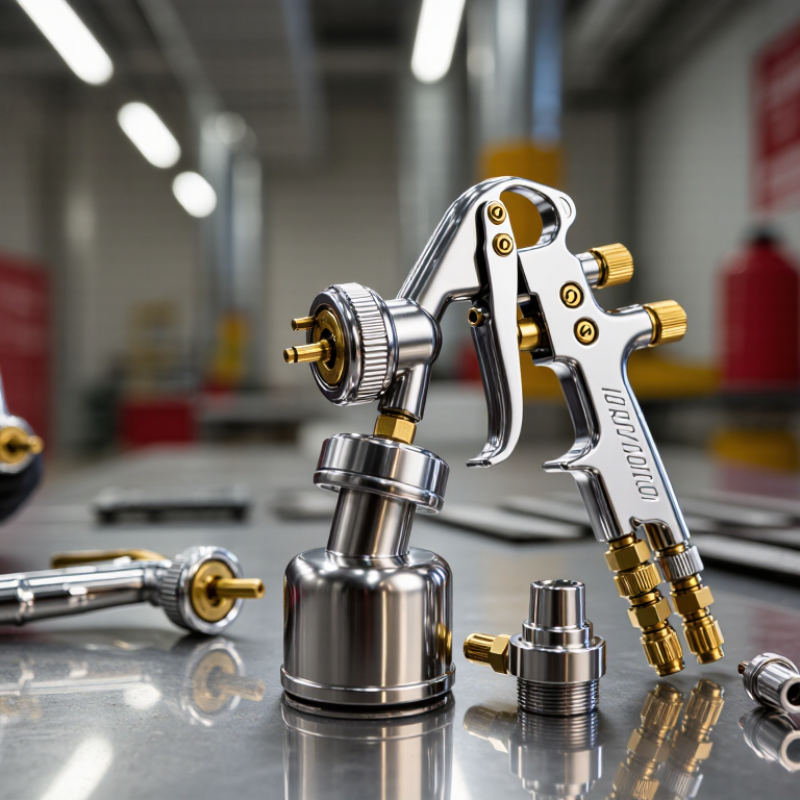
How to Choose the Best Oil Spray Gun?
Before choosing an oil spray gun, identify the oil type you will apply. Mineral oil, vegetable oil, and thicker lubricants behave differently inside the gun. Check the product’s technical sheet for compatibility with seals, hoses, and internal passages. A mismatch may cause swelling, leakage, or uneven spraying.
Viscosity is equally important. Thin oil can often pass through a smaller nozzle at lower pressure. Thick oil may need a larger nozzle, stronger air assistance, or gentle preheating where the safety instructions allow it. Do not guess from appearance alone. Measure viscosity under the actual working temperature. I once selected equipment based only on room-temperature flow, and the spray pattern changed noticeably outdoors. That was a useful mistake. Real conditions matter.
Required flow rate should guide the final choice. Estimate the oil volume needed per minute, then compare it with the gun’s adjustable range. A gun that delivers too much oil creates waste and messy surfaces. One that delivers too little may leave dry patches. Test a small area first.
Tips: Record the oil type, viscosity, temperature, nozzle size, pressure, and measured flow rate. Keep those results. Small notes can prevent repeated errors. Also inspect the spray pattern regularly, because a partially blocked nozzle can imitate the wrong setting. When uncertain, choose adjustable control and confirm performance through a controlled trial.