What is Robotics and Automation in Supply Chain Management?
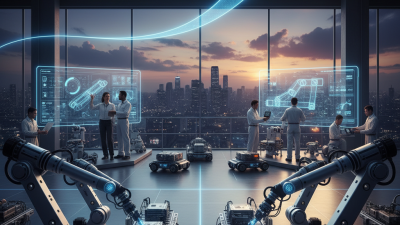
In recent years, robotics and automation have transformed supply chain management. Experts like Dr. Emily Chen emphasize this change. She states, "The integration of robotics and automation redefines efficiency in logistics." This highlights the profound impact these technologies have on operations.
Robotics and automation streamline processes. They reduce human error and improve speed. Factories and warehouses now rely on automated systems. These systems manage inventory with precision. However, the shift raises concerns about workforce displacement. Many worry about job loss in traditional roles.
Understanding robotics and automation is essential. Businesses face the challenge of integrating these technologies effectively. It’s not just about replacing jobs; it's about enhancing processes. Companies must consider employee retraining as a part of this journey. The balance between technology and human labor is complex yet critical.
Overview of Robotics and Automation in Supply Chain Management
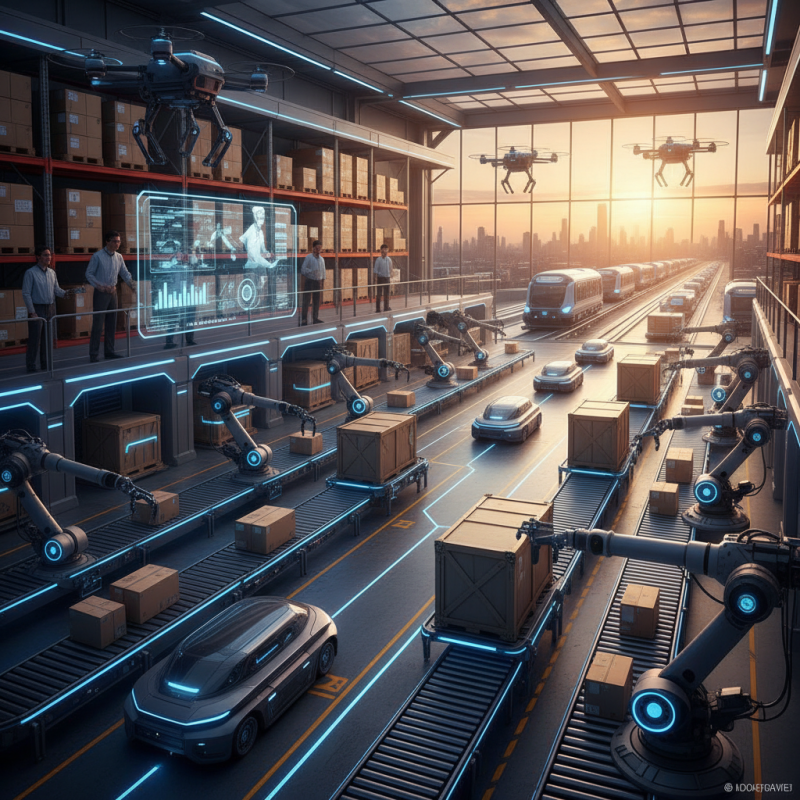
Robotics and automation are transforming supply chain management. They enhance efficiency and reduce costs significantly. Modern warehouses now feature automated guided vehicles and robotic arms that streamline processes. These technologies can sort, pack, and transport goods with precision.
However, the integration of robotics presents challenges. Workforce displacement is a concern for many. Not every worker can transition easily to new roles. There is a need for ongoing training and education to bridge this gap. Companies must balance automation and human labor effectively.
Moreover, reliance on automated systems may lead to vulnerabilities. Technical failures can disrupt supply chain operations. Businesses must have contingency plans in place. A thoughtful approach to implementing robotics will ensure sustainability and adaptability in a rapidly changing landscape.
Key Technologies Driving Robotics and Automation in Supply Chains
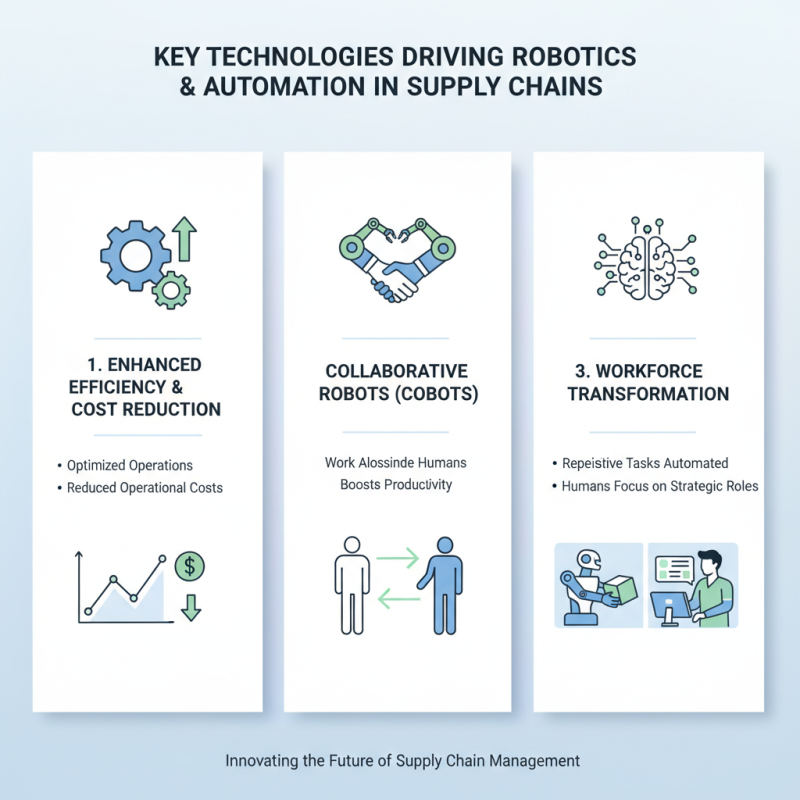
In the ever-evolving landscape of supply chain management, robotics and automation play crucial roles. Key technologies enable businesses to enhance efficiency and reduce costs. This shift not only optimizes operations but also transforms the workforce. Many companies are embracing collaborative robots (cobots). These machines work alongside humans, enhancing productivity without replacing jobs. They are particularly effective in repetitive tasks, freeing human workers for more strategic roles.
Automated guided vehicles (AGVs) are another significant technology. These robots navigate warehouses, delivering products swiftly and accurately. However, integrating AGVs into existing systems can be challenging. Companies must assess their current infrastructure and workflows carefully. Additionally, data analytics tools are critical. They provide insights into operational efficiency and inventory management. Yet, relying too heavily on data can create blind spots. Organizations must strike a balance between human intuition and technological insights.
While these technologies drive supply chain efficiencies, they are not without drawbacks. Implementation costs can be high, and training staff on new systems requires time and resources. Moreover, cybersecurity risks increase with automation. Businesses must address these concerns proactively. Ultimately, the future of supply chain management lies in a thoughtful blend of technology and human oversight.
Benefits of Implementing Robotics in Supply Chain Operations
Robotics and automation are transforming supply chain management significantly. By integrating robotic systems, companies enhance efficiency and reduce manual labor. These systems perform repetitive tasks with speed and precision, minimizing human errors. For instance, automated guided vehicles (AGVs) can transport goods throughout a warehouse, allowing human workers to focus on more complex tasks.
The benefits extend beyond merely increasing output. Implementing robotics improves inventory management, leading to better accuracy and faster order fulfillment. Drones and robots can scan inventory levels in real-time, ensuring proper stock levels. However, while robotics boosts productivity, it can bring challenges, such as job displacement. Workers may face the need for skill upgrades to adapt to new technologies. As industries embrace automation, it’s critical to consider the balance between efficiency and workforce sustainability.
Additionally, the initial investment for robotic systems can be daunting. Companies must assess whether the long-term savings and productivity gains justify these costs. Regular evaluation of robotic processes is necessary to ensure they meet evolving needs. This reflection on robotics in supply chains prompts a broader discussion on the future of work in an increasingly automated environment.
Challenges and Considerations in Supply Chain Automation
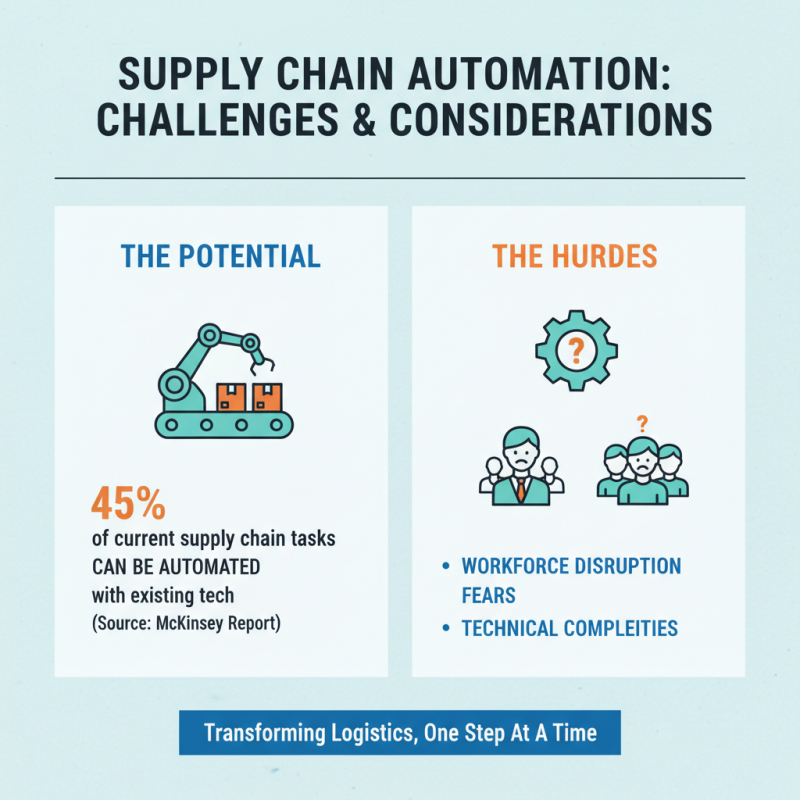
Robotics and automation are transforming supply chain management. However, integrating these technologies is not without challenges. As per a recent report by McKinsey, 45% of current tasks in the supply chain could be automated using existing technologies, yet many companies hesitate to adopt them due to fears about workforce disruption and technical complexities.
One major concern involves the costs associated with automation. A study by Deloitte indicates that 53% of companies find the initial investment daunting. These high costs may deter smaller businesses from pursuing automation. Additionally, there is a lack of skilled workers proficient in robotics. According to the World Economic Forum, 75 million jobs may be displaced, exacerbating the skills gap in the industry.
Tips: Invest in employee training to bridge the skills gap. Regular assessments of automation technologies can help organizations adapt and thrive. Balancing automation with human input is crucial for success. Addressing these challenges thoughtfully can make automation a powerful ally in enhancing supply chain efficiency.
Future Trends in Robotics and Automation for Supply Chains
As we look ahead in supply chain management, robotics and automation are evolving rapidly. These technologies offer potential solutions to several ongoing challenges, but they are not without their pitfalls. For instance, while automation can enhance efficiency, it may also displace jobs. This raises questions about workforce adaptation and training needs.
New trends suggest we will see more collaborative robots. These robots work alongside humans, improving safety and efficiency. They can handle repetitive tasks, allowing employees to focus on complex problems. However, integrating these systems requires careful planning. Companies might face initial costs and logistical challenges.
Moreover, advanced analytics are becoming essential in this field. They allow for real-time data analysis, improving decision-making processes. Yet, reliance on algorithms might overlook the importance of human intuition. Organizations must learn to balance technology and human insight. Robotics and automation can transform supply chains, but they also pose challenges that must be addressed thoughtfully.
What is Robotics and Automation in Supply Chain Management? - Future Trends in Robotics and Automation for Supply Chains
| Trend |
Description |
Impact on Supply Chain |
Future Outlook |
| Autonomous Vehicles |
Self-driving trucks and delivery drones for transporting goods. |
Reduced delivery times and lower transportation costs. |
Increased adoption in last-mile delivery by 2025. |
| Warehouse Automation |
Use of robots and automated systems for inventory management. |
Improved accuracy in order fulfillment and reduced labor costs. |
Widespread implementation expected in large warehouses. |
| AI & Machine Learning |
Utilizing algorithms to predict demand and optimize logistics. |
Enhanced decision-making capabilities in supply chain management. |
Continued evolution with advancements in technology. |
| Blockchain Technology |
Distributed ledger technology for tracking goods and transactions. |
Enhanced transparency and traceability in the supply chain. |
Expected to reshape complex supply networks by 2030. |
| Collaborative Robots (Cobots) |
Robots designed to work alongside human operators. |
Increased productivity and worker safety in various tasks. |
Expected growth in adoption across small and medium enterprises. |