Top Robot Machines for Global Buyers in 2026?
As we approach 2026, the demand for advanced robot machines continues to rise. Industries worldwide are embracing automation to enhance efficiency and reduce costs. This shift reflects a significant transformation in the way businesses operate. However, the landscape is complex. Buyers must navigate various options, each offering unique capabilities.
Choosing the right robot machine can be daunting. Some machines excel in precision. Others prioritize speed and flexibility. The diverse features can confuse potential buyers. It's crucial to align machine capabilities with business needs. Manufacturers offer competing technologies, and the right choice may not always be clear. Additionally, ongoing technological advancements can render some machines outdated quickly.
While robot machines promise vast benefits, challenges persist. Integration into existing workflows may prove difficult. Workers may resist new technologies, fearing job losses. Buyers should consider both the advantages and drawbacks before making decisions. In this evolving market, informed choices are essential for success.

Emerging Trends in Robotics Industry by 2026
The robotics industry is poised for significant transformation by 2026, shaped by new technologies and market dynamics. According to a recent report from the International Federation of Robotics, the market for industrial robots will grow by 10% annually until 2026. This growth is driven by advancements in AI integration, which allows robots to perform tasks with greater precision. As a result, manufacturing sectors are increasingly adopting robots for efficiency.
Another emerging trend is the rise of collaborative robots, or cobots. These machines are designed to work alongside humans, enhancing productivity without replacing the workforce. A study by Robotics Business Review indicates that the collaborative robot market is expected to reach $12 billion by mid-decade. This shift reflects a desire for safer workplaces and greater flexibility in operations. Yet, there are concerns about job displacement. Finding a balance between automation and human roles remains a challenge.
Additionally, the demand for service robots is increasing in sectors like healthcare and logistics. The World Robotics report estimates sales in these areas will surpass 2 million units by 2026. While technology rapidly advances, ethical considerations around data privacy and workforce integration still require dialogue. The industry must navigate these complexities to foster sustainable growth in robotics.
Top Robot Machines for Global Buyers in 2026
Key Features of Top Robot Machines for Global Buyers
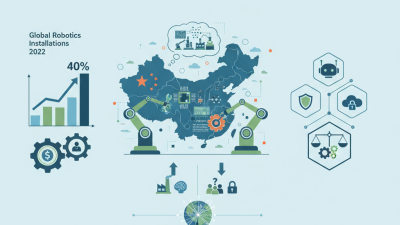
As we look towards 2026, the demand for advanced robot machines is predicted to surge. A recent industry report by the International Federation of Robotics (IFR) indicates that global robot installations are expected to grow by 15% annually. This growth is driven by the need for automation in various sectors, including manufacturing, healthcare, and logistics.
One key feature of top robot machines is their adaptability. Modern robots can perform multiple tasks, shifting seamlessly between different operations. According to a McKinsey report, businesses using adaptable robots report a 30% increase in efficiency. Another noteworthy aspect is AI integration. Robots equipped with artificial intelligence can learn from their environment. This enables them to optimize their performance over time, leading to improved accuracy and reduced operational costs.
However, there are challenges. Not all organizations are well-prepared to implement these advanced systems. A study by Gartner suggests that 40% of companies face skills shortages in robotics technology. Additionally, integration with existing systems often proves difficult, leading to increased implementation costs and time delays. These reflections highlight the importance of strategic planning and employee training in maximizing the benefits of new robotic technologies.
Top Robot Machines for Global Buyers in 2026
| Robot Type |
Key Features |
Applications |
Estimated Price (USD) |
| Industrial Robot |
High precision, programmable, robust |
Manufacturing, assembly lines |
$50,000 - $100,000 |
| Service Robot |
AI integration, user-friendly interface |
Hospitality, customer service |
$20,000 - $80,000 |
| Agricultural Robot |
Crop monitoring, autonomous operation |
Farming, precision agriculture |
$30,000 - $70,000 |
| Collaborative Robot (Cobots) |
Safe interaction, easy programming |
Light manufacturing, assembly |
$15,000 - $40,000 |
| Drones |
Aerial surveillance, payload delivery |
Logistics, disaster response |
$5,000 - $25,000 |
Leading Manufacturers in the Global Robot Market
As the global robot market evolves, several manufacturers are emerging as leaders. These companies focus on blending innovation with practical solutions. They produce robots designed for various applications, from manufacturing to healthcare. The emphasis is on creating machines that enhance productivity while being user-friendly. Advanced technology, such as AI and machine learning, plays a crucial role in their development.
Collaboration among manufacturers is also significant. They often engage in partnerships to share knowledge and resources. This helps them stay competitive in a dynamic marketplace. However, challenges persist. Questions about reliability and long-term support for robotic systems are common.
Moreover, the need for sustainability is reshaping production processes. Manufacturers are being pushed to reduce their carbon footprint. This shift could affect how robots are created in the future. Navigating this landscape requires a balance of innovation and responsibility. As the industry progresses, the focus on ethical practices will be more critical than ever.
Applications of Robots Across Various Industries in 2026
In 2026, robots are set to revolutionize various industries, transforming the way we work and interact. In manufacturing, robots handle tasks with precision and efficiency. They perform repetitive tasks such as assembly and quality control, reducing errors and increasing productivity. However, this reliance on automation raises questions about job displacement for skilled workers.
In healthcare, robots assist in surgeries and patient care. Surgical robots enhance precision, leading to faster recovery times. However, the ethical implications of using robots in life-or-death situations must be considered. Caregivers also benefit from robotic assistants, yet there is a concern over the human touch that may be lost.
The agricultural sector is embracing robotics for planting and harvesting. Autonomous tractors and drones optimize crop management. But, farmers face challenges in integrating these technologies effectively. Training and adaptation to new machinery are crucial, yet many struggle with the shift. As industries adopt robot machines extensively, understanding these dynamics will be essential for a balanced future.
Future Challenges and Opportunities in Robotics Development
The world of robotics is rapidly evolving. By 2026, global buyers will face unique challenges and opportunities.
Automation is transforming industries, yet ethical concerns and workforce impacts cannot be ignored.
As technology advances, we must consider the balance between efficiency and job security.
A key challenge will be ensuring robots are safe and reliable. Developers must focus on creating machines
that prioritize human interaction. Trust in robotics will shape buyer decisions. Transparency in design
and functionality is essential. Users prefer solutions that integrate into daily life seamlessly.
Tips for navigating this landscape include staying informed about developments in robotics.
Join industry forums and discussions to exchange ideas. Evaluating potential ROI of robotic solutions
is crucial. Understand the needs of your specific sector. Engage with experts to gain insights into
best practices. This proactive approach will help buyers make informed decisions amidst the changing
landscape of robotics.